How to Organize the Cabinet Under a Kitchen Sink
Keep supplies tidy while leaving plumbing and shutoff valves accessible.
Keep supplies tidy while leaving plumbing and shutoff valves accessible. The best approach depends on the materials, products, and conditions in your home. Start with the instructions for the specific item you are working with and make a small compatibility check before proceeding.
Step-by-step approach
- Empty the cabinet and inspect for dampness
- Fix leaks before reorganizing
- Group products by purpose
- Use removable bins without blocking pipes
- Keep chemicals secure and labeled
The cabinet beneath a sink can hide small leaks.
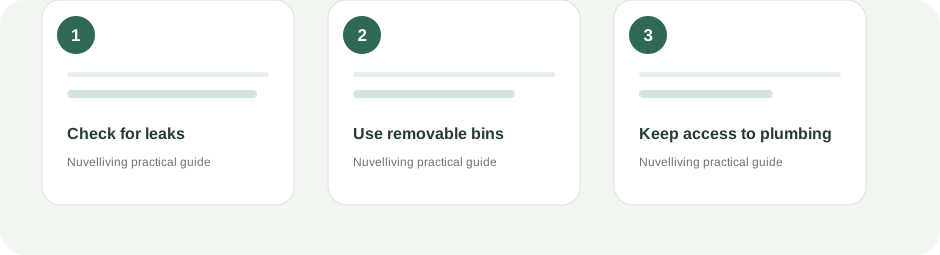
Remove everything and inspect the floor, pipe joints, and wall for dampness or staining.
Address active leaks before returning supplies.
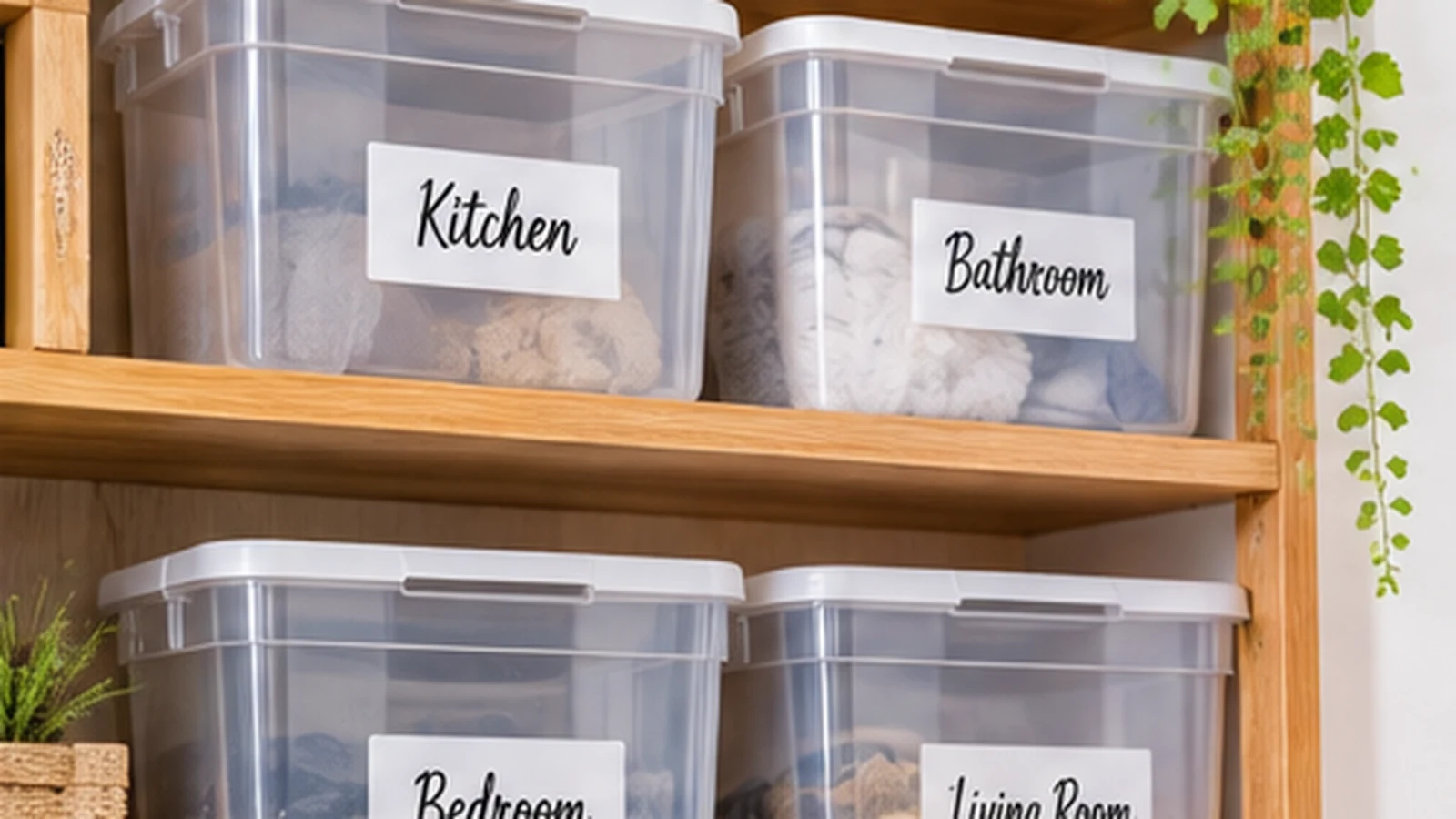
Use removable bins for suitable items, but leave shutoff valves and plumbing connections visible and reachable.
Keep paper goods away from drips and chemicals in original containers.
Start by checking for leaks
Empty the cabinet and inspect the base, pipe joints, wall, and cabinet sides for dampness, swelling, or staining. If there is an active leak, address it before organizing. Clean and dry the space. Measure around pipes and note any shutoff valves so organizers do not block access.
Troubleshooting and common mistakes
Use removable bins that fit around plumbing and can be lifted out for inspection. Store products in their original containers and keep them upright in a leak-resistant tray. Put frequently used items at the front, but leave valves, traps, and pipe connections visible and reachable.
When to stop and get help
Do not store food, pet food, or medicines beside household chemicals. Keep hazardous products locked away from children and pets. If the cabinet repeatedly becomes wet, investigate plumbing or condensation instead of covering the damage with a liner.
Leave room for inspection
Do not fill every gap with baskets. You need to see the pipework and notice new moisture early. A removable mat or tray can make a small leak easier to spot, but it does not prevent water damage or replace repairing a leak.
Frequently asked question
Can I keep a power strip under the sink?
Avoid placing electrical equipment where leaks or condensation can reach it. If you need power in the cabinet, have the arrangement assessed against local electrical requirements by a qualified electrician.
Editorial note: This is general household information. Product instructions and official safety guidance take priority where they differ.