How to Declutter an Entryway That Always Gets Messy
Build a small landing zone for the things that arrive and leave each day.
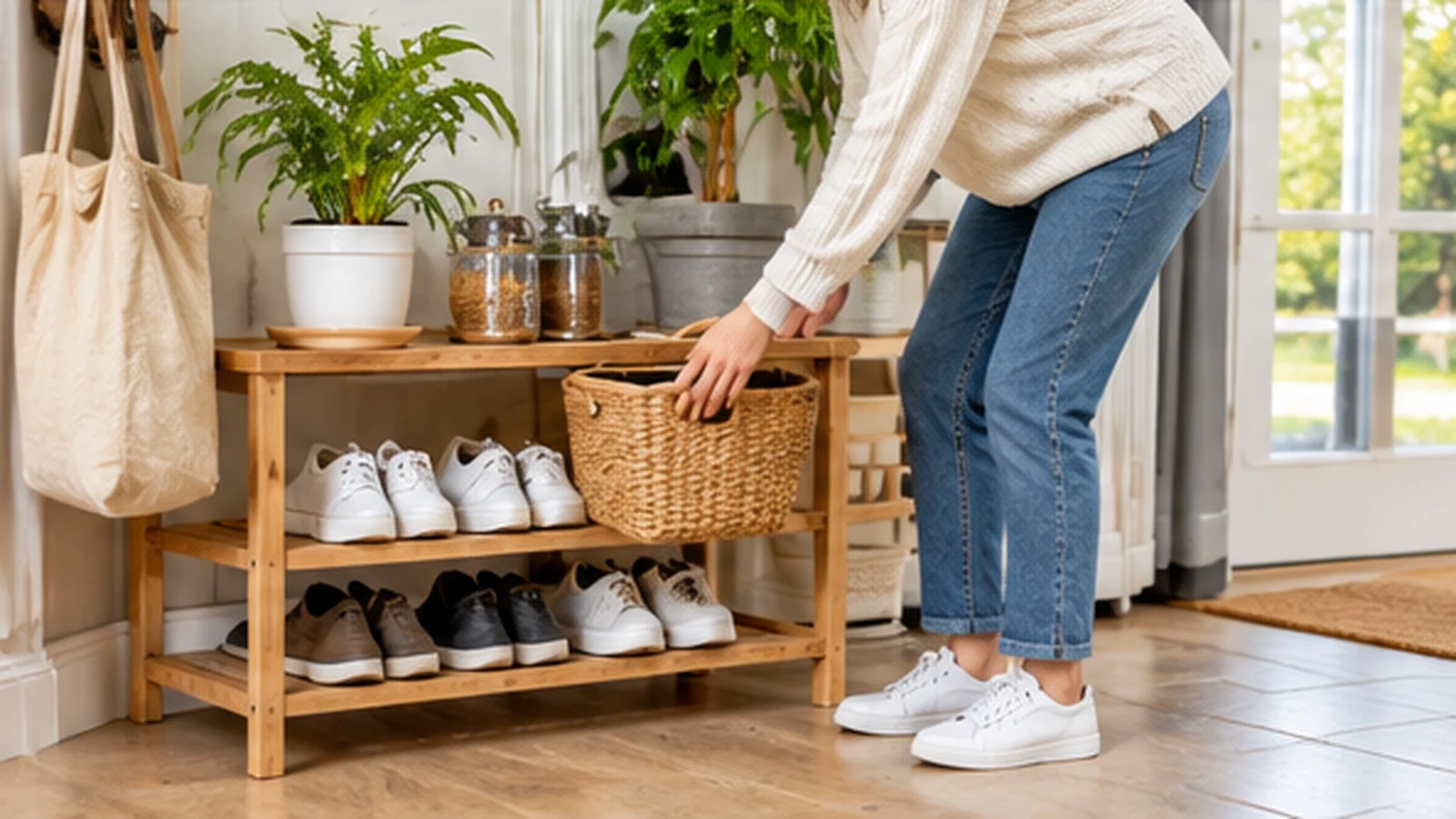
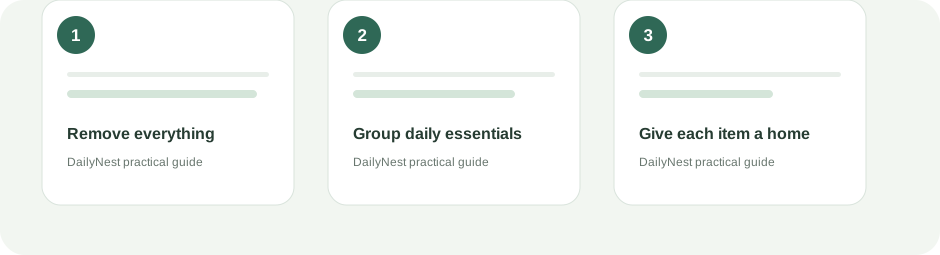
Build a small landing zone for the things that arrive and leave each day. The best approach depends on the materials, products, and conditions in your home. Start with the instructions for the specific item you are working with and make a small compatibility check before proceeding.
Step-by-step approach
- Notice what collects by the door
- Create one place for keys and small essentials
- Set a realistic shoe limit
- Give mail a separate sorting routine
- Reset the area in two minutes daily
An entryway becomes a dumping ground when there is no obvious place for everyday items.
Observe what accumulates for a few days, then create a landing zone that matches actual habits.
Keep shoes on a washable mat, hang frequently used bags, and sort mail near a recycling bin.
Avoid adding storage that blocks the door swing or narrows the walking path.
A short daily reset is easier to maintain than a large weekly cleanup.
Keep exits unobstructed. Secure tall furniture where appropriate and store keys and valuables out of sight from exterior windows.
Design the landing zone around actual arrivals
Observe what repeatedly lands near the door: shoes, bags, keys, umbrellas, mail, or sports gear. Give the most frequent items a clearly defined home within easy reach. Use a tray for small essentials, hooks for bags, and a shoe mat that can be cleaned.
Troubleshooting and common mistakes
Limit the number of items kept at the entrance. Create a separate action spot for mail that needs attention, and schedule a regular time to process it. If several people share the space, assign each person a labelled hook or basket and keep the system simple enough for guests and children to understand.
When to stop and get help
Keep exits, door swings, stairs, and electrical panels clear. Do not place heavy objects on unstable hooks or high shelves. The best entryway system is one that does not narrow the escape route or create a trip hazard.
Test the system during a normal busy day
A tidy entrance immediately after organizing does not prove the setup is practical. Observe where keys, shoes, bags, and deliveries land during a typical week. If an item repeatedly misses its assigned place, move the storage point closer to where the item is naturally put down.
Frequently asked question
What if the entryway is too small for furniture?
Use the wall or door area only where fixings are safe and permitted. A narrow tray, a small number of hooks, or a portable basket may be enough. Keep the walking route and exit clear; avoid adding storage that makes the space harder to pass through.
Editorial note: This is general household information. Product instructions and official safety guidance take priority where they differ.