How to Clean a Glass-Ceramic Cooktop Safely
Protect the surface with approved products and non-abrasive tools.
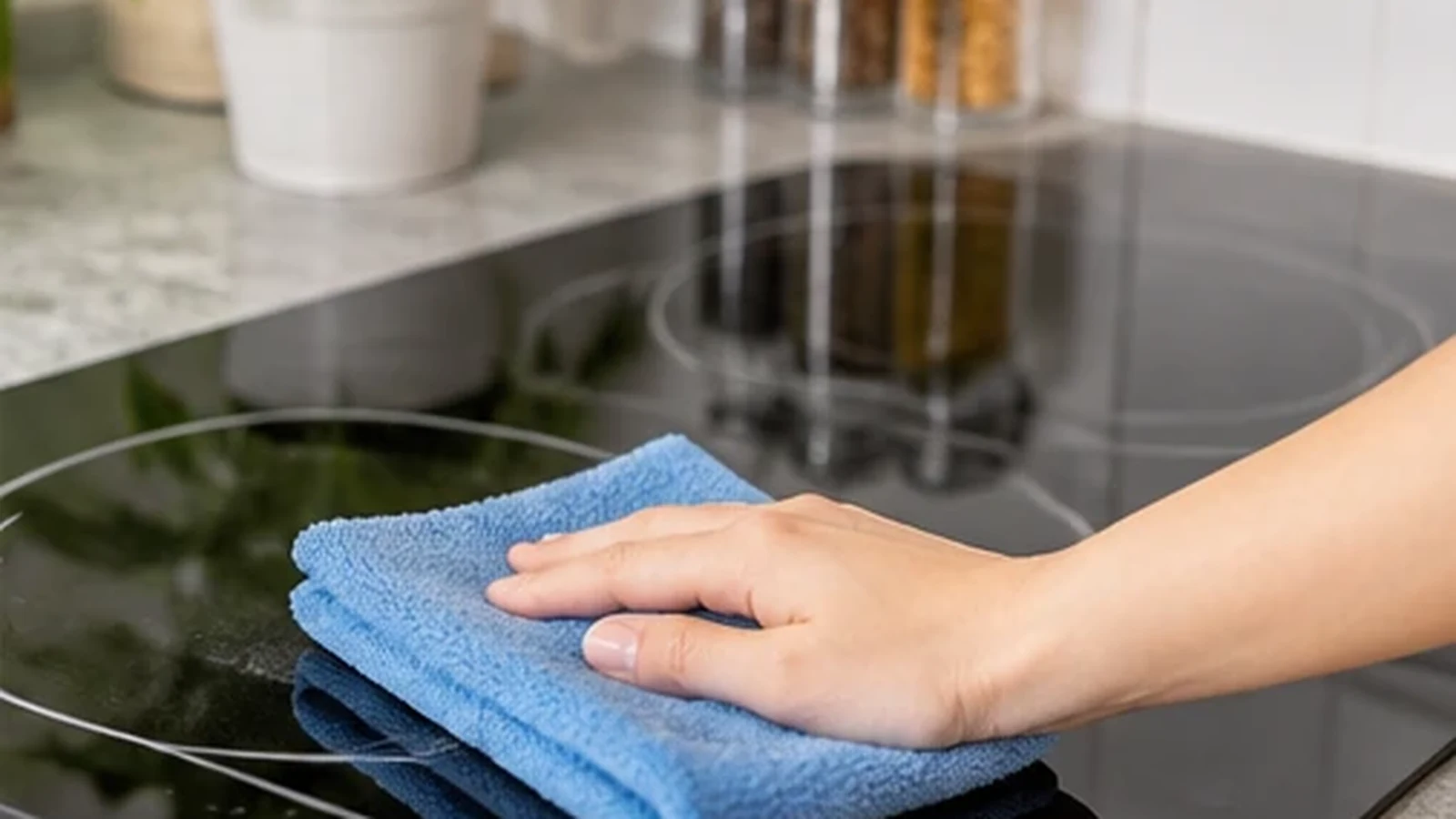

Protect the surface with approved products and non-abrasive tools. The best approach depends on the materials, products, and conditions in your home. Start with the instructions for the specific item you are working with and make a small compatibility check before proceeding.
Step-by-step approach
- Switch off and allow the surface to cool
- Remove loose crumbs with a soft cloth
- Apply cooktop-approved cleaner
- Use an approved scraper only if directed
- Wipe residue away and dry
Glass-ceramic surfaces can be scratched by abrasive pads and unsuitable tools.
Check the appliance manual for approved cleaners and specific guidance on sugary spills or metal marks.
Once the surface is safe to clean, remove loose crumbs, apply a small amount of approved cleaner, and wipe gently.
A scraper designed for glass-ceramic may be appropriate for some models when used at the instructed angle.
Never test a hot surface by touch. Do not use kitchen knives, steel wool, or gritty scouring powders. Stop if the surface is cracked.
Match the cleaner to the cooktop surface
Turn the cooktop off and let it cool according to its manual. Remove loose crumbs with a soft cloth. Use a cleaner labelled for the exact glass-ceramic surface and a non-abrasive pad. For cooked-on residue, follow the maker’s instructions for an approved scraper, including the correct angle and whether the surface must be cool.
Troubleshooting and common mistakes
Wipe cleaner residue away with a clean damp cloth and buff dry with a soft towel. Sugar-based spills may require prompt attention because some manufacturers give special instructions for them. Keep cookware bottoms clean and lift pans instead of dragging them across the surface.
When to stop and get help
Do not use steel wool, abrasive powders, or general-purpose oven cleaner unless the manufacturer explicitly allows it. A cracked cooktop should not be used; arrange service. Never scrape a hot surface unless the product instructions specifically direct that method.
Prevent marks between deep cleans
Wipe ordinary splashes once the surface is cool and safe to touch. Check the bottom of cookware for grit before placing it on the glass. Small particles dragged under a pan can scratch some surfaces, while sugary spills may need special treatment under the appliance manual.
Frequently asked question
Can I use a razor scraper on the cooktop?
Only when the cooktop manufacturer specifically recommends an approved scraper and explains how to use it. The correct blade, angle, and surface temperature matter. If the manual does not mention scraping, choose a compatible cleaner and non-abrasive pad instead.
Editorial note: This is general household information. Product instructions and official safety guidance take priority where they differ.